ADHD and Friendships: Supporting Social Success
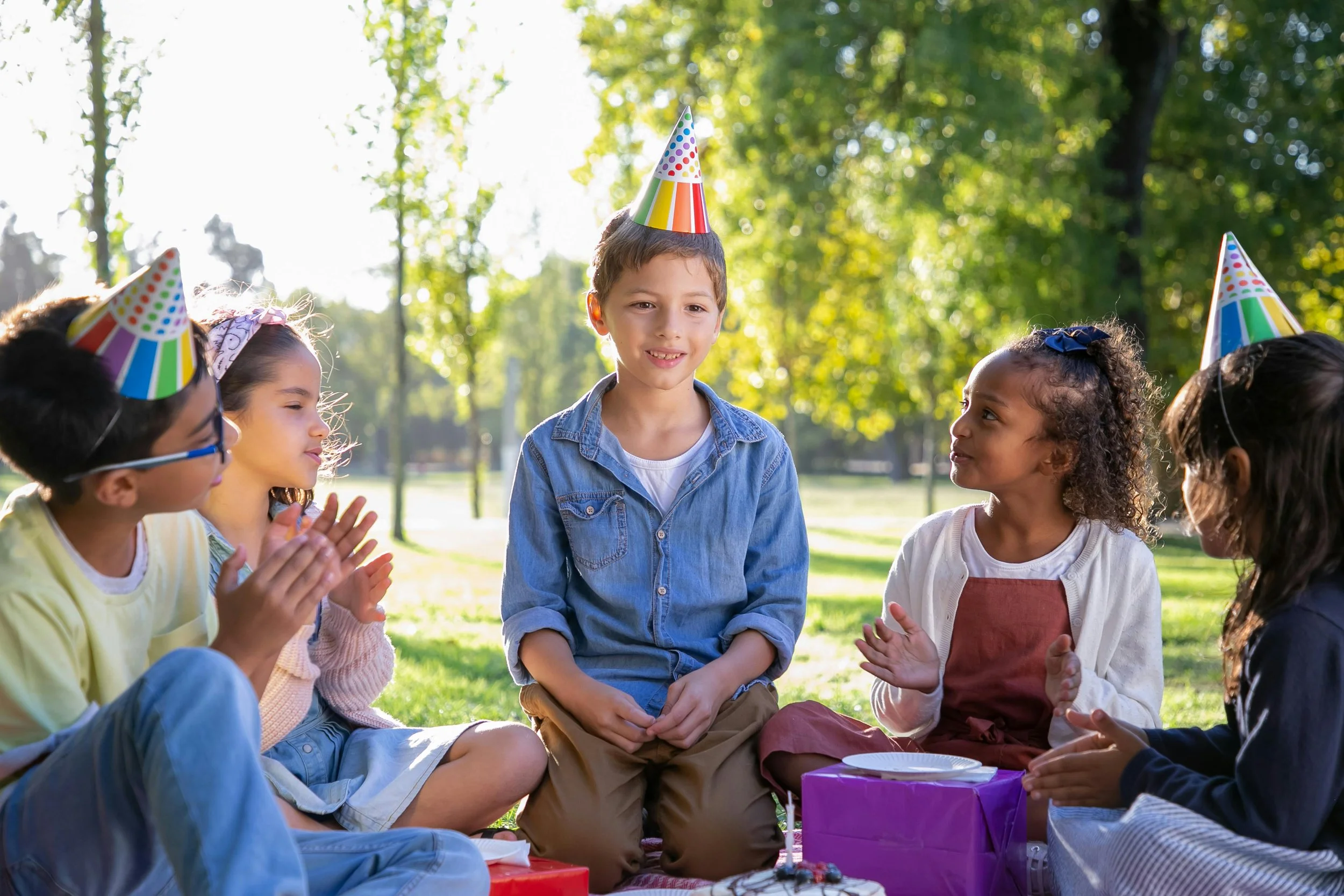
ADHD impacts children in many different ways. While a lot of focus is given to how children with ADHD function in school settings, it is important to consider social impacts in order to support children with their peers. While children with ADHD are more than capable of forming strong peer connections, sometimes executive functioning vulnerabilities can get in the way. Understanding how ADHD can affect socialization allows us to better support children.
Attention
It is common knowledge that ADHD impacts attention. But why is attention important in social relationships? Children must attend to different social contexts. Social attention helps children understand their role within a group. When children are not attuned to a social situation, they may have difficulty acting or responding appropriately.
Inhibition
When children act on impulses, they may blurt out ideas, talk over others, or struggle to wait their turn. Those actions, while not always in their control, can impact how other children relate to a child with ADHD. Inhibition difficulties can also mean that children have difficulty following peers’ plans or adapting to new plans. Children with ADHD may have big emotions that are hard to inhibit, causing misunderstandings or conflict with peers.
Working Memory
Children with ADHD often have weaknesses with working memory, or the process of storing information briefly in one’s mind and using it. Think of working memory like a work bench - it can get cluttered with focusing on staying still, holding thoughts in instead of blurting out, and paying attention to others. That leaves very little room on the work bench for anything else, like asking relevant questions. When working memory is overloaded, retrieving information is more effortful and slow.
Cognitive Flexibility
Cognitive flexibility is the ability to adapt to new situations and helps with problem solving. When children with ADHD struggle with cognitive flexibility, they may have a difficult time accepting a new or different plan proposed by a peer. They must also struggle to take others’ perspectives without scaffolding at first.
How can we help?
Role Play
We can use role playing to help children prepare for social interactions. Practicing listening to peers, noticing their thoughts, and sharing ideas appropriately improves social connectedness. This can also be an opportunity to practice solving common problems that can occur between peers. By modeling positive interactions through your own behavior and pointing out your child’s positive behaviors, you are helping your child build social skills. Role playing helps a child build skills in a safe and supportive environment before applying them with peers.
Support Emotion Regulation
Help your child recognize emotions by labeling them in the moment. Big feelings are normal, and providing children with language to name their feelings, identify the causes of their feelings, and problem solve is a critical first step to support emotion regulation.
Structured Playdates
Planning structured playdates allows parents to preview how to treat a guest, as well as work on noticing another person’s behaviors or feelings. Knowing what to expect will help your child tune into their peers without worrying about changes in schedules or uncertain settings. During and after a structured playdate, praise your child’s good efforts to connect with friends.
Find Activities that Interest Them
Finding activities that interest a child with ADHD will allow them to connect with other children with similar interests. These relationships will help your child feel successful, while also giving them an opportunity to engage in activities they enjoy. Not only will your child form connections with peers, but they will also build self-esteem and self-efficacy.