Selective Mutism Treatment: Why Intensives Win
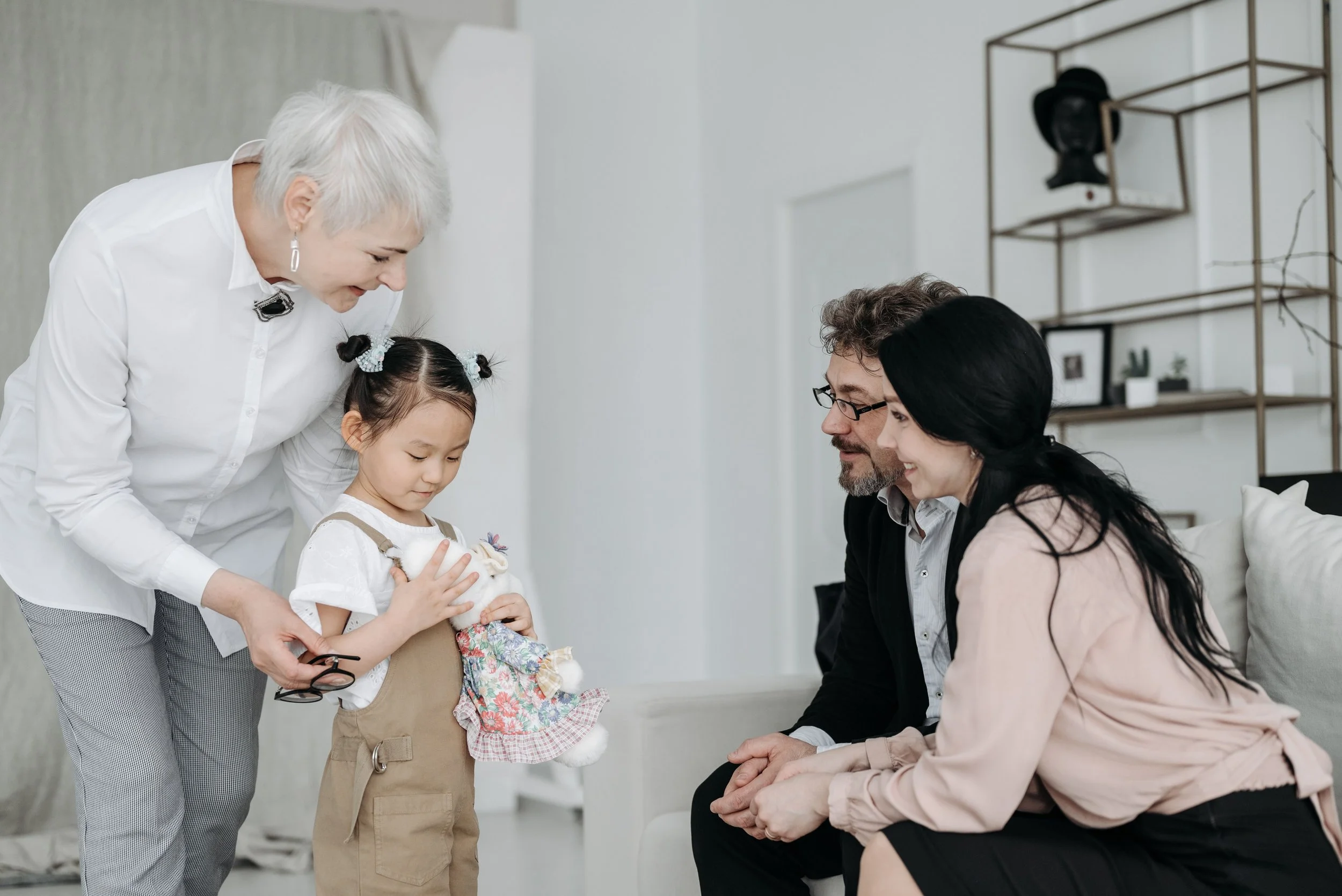
When parents first hear that we recommend intensive treatment for Selective Mutism (SM), they're often surprised, expecting to start weekly therapy. For many childhood concerns, the answer is weekly therapy for kids or parents, but Selective Mutism treatment is different. Children with SM don't just need time in therapy, they need time communicating and feeling successful. They need their caregivers to learn how to help them outside of therapy sessions. And that's exactly what an intensive provides.
Children with Selective Mutism Need Time to Warm Up
One of the defining features of Selective Mutism is that children often need time before they're ready to communicate. They observe and settle in. They become comfortable over time and only then do they begin taking communication risks. In a traditional 45-minute therapy session, much of that time may be spent getting comfortable. Just as a child begins speaking more freely, the session ends. The following week, the process often starts all over again. However, an intensive treatment model changes that completely. Longer sessions allow us to move beyond the warm-up period and spend significantly more time practicing communication while the child is engaged, comfortable, and ready to keep going.
Momentum Drives Progress
Learning to communicate in challenging situations is a behavioral skill. Like any new skill, it improves through repetition. Every successful communication makes the next one just a little bit easier. When practice happens over consecutive days, children accumulate successful communication experiences much more quickly. Rather than losing momentum between weekly sessions, we build on each success while it's still fresh and they start to build on their own self-efficacy that they can speak in new situations, with new people, and across new activities.
Think about teaching a child to ride a bike. You wouldn't practice for 20 minutes every Saturday and expect them to become confident quickly. You'd spend several days practicing while the skill is fresh. Once they're riding independently, you shift your role from teaching the basics to helping them navigate new terrain. Selective Mutism treatment works much the same way.
Intensive Treatment Builds the Foundation
Families sometimes worry that an intensive means months of equally intensive therapy afterward. In reality, the intensive is designed to build the foundation. During an intensive, children gain momentum through repeated communication successes while parents and caregivers learn the core strategies needed to support communication outside of therapy. Rather than spending months working toward those first breakthroughs, we begin with an accelerated period of learning for the entire family.
Once that foundation is in place, treatment naturally evolves. The focus shifts from creating communication to expanding it, whether through parent consultation, school-based work, group treatment, or targeted individual sessions. Parents already have the foundational skills, allowing therapy to focus on fine-tuning strategies, supporting new environments, and continuing to broaden the child's verbal world.
Why We Believe in the Intensive Model
At Growing Minds Psychology, we believe children with Selective Mutism make the greatest gains when they have enough time to warm up, enough repetition to build momentum, and caregivers who know how to continue that progress long after the intensive ends.
Intensive treatment isn't about doing more therapy. It's about creating the right conditions for communication to grow and then helping families carry that momentum into everyday life. If you are interested in learning more about our Selective Mutism services, reach out for a complimentary info call with our team.